No products in the cart.
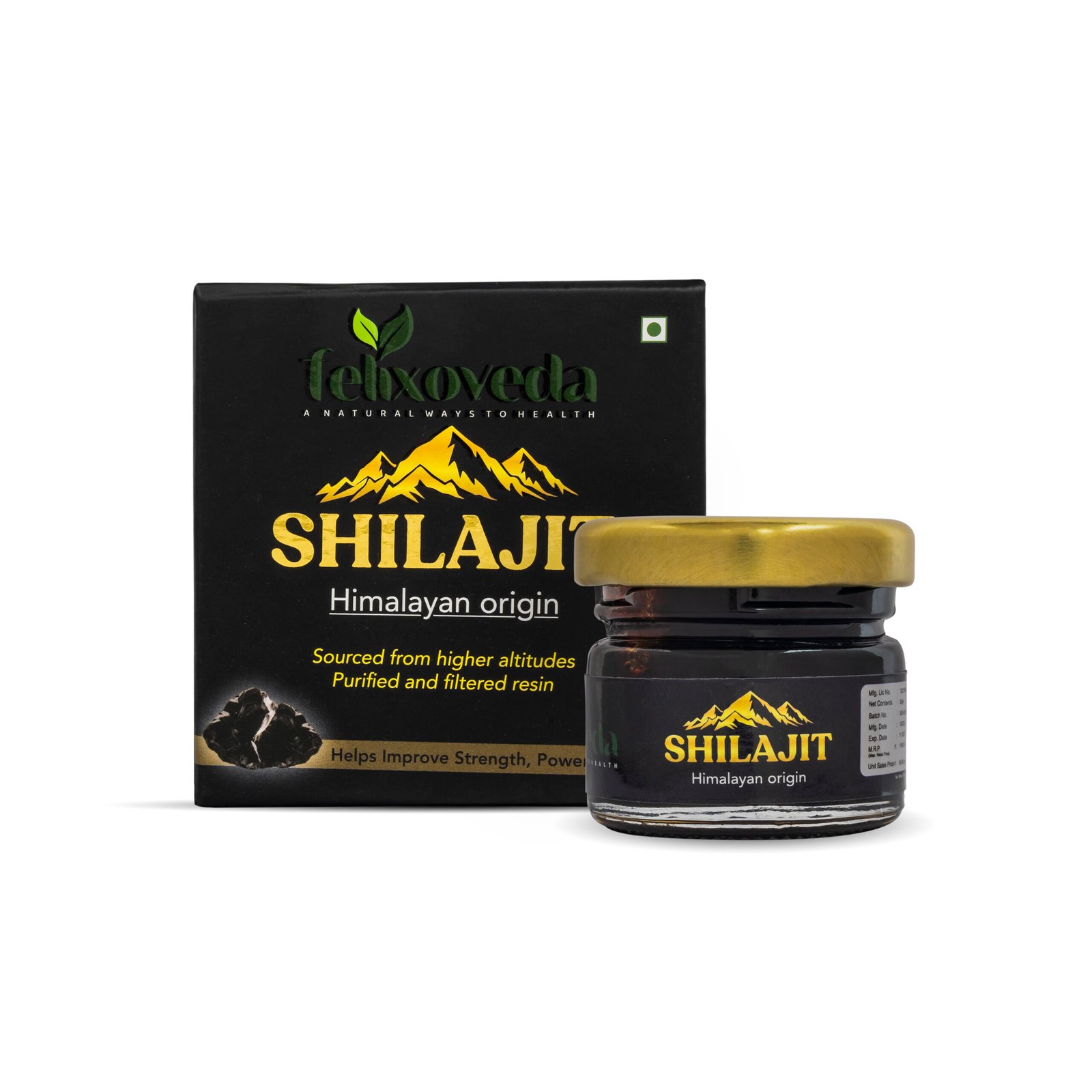
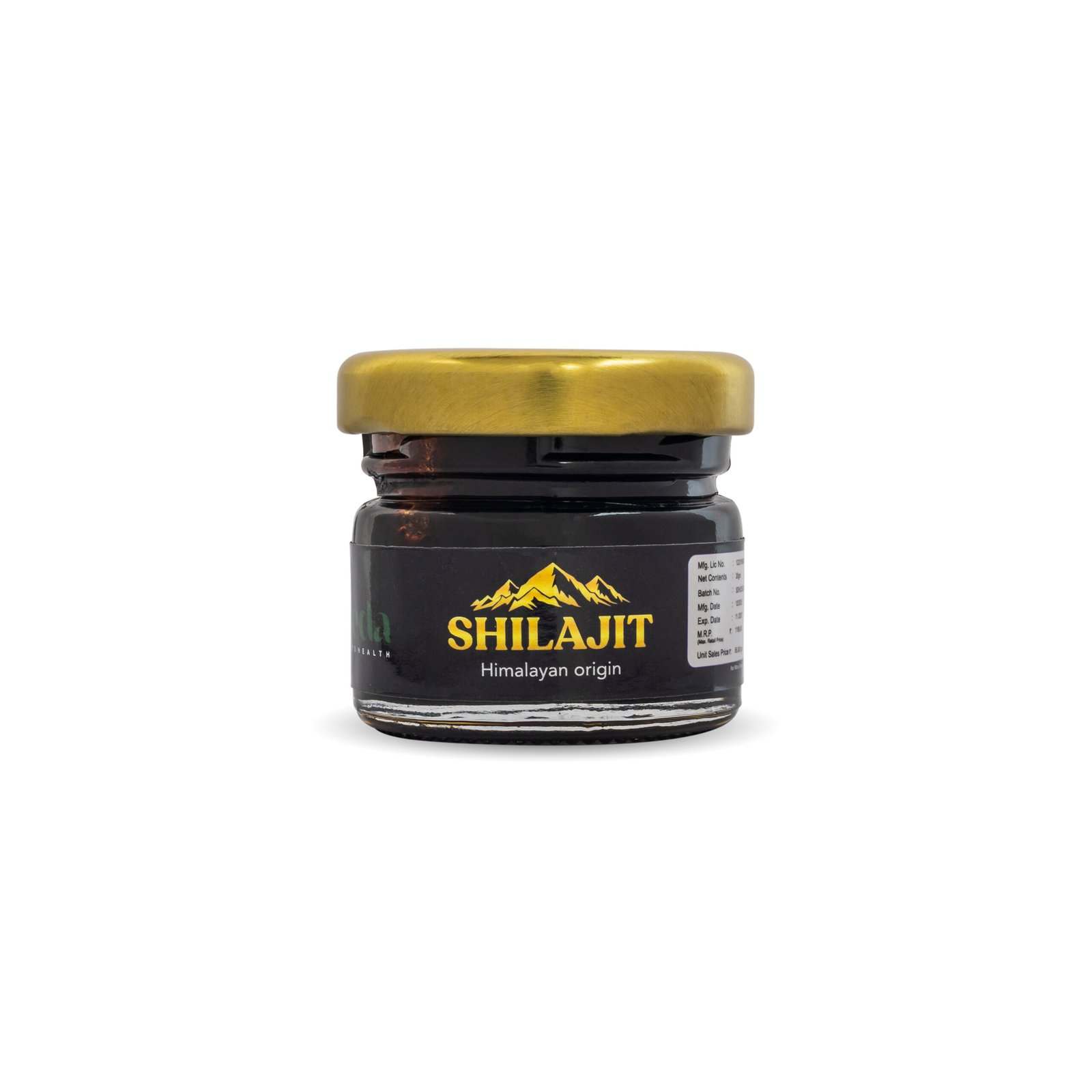
SHILAJIT HIMALAYAN ORIGIN
₹1,199.00
Shilajit is a thick, tar‑like, blackish‑brown exudate that seeps from high mountain rocks such as the Himalayas after centuries of decomposition of plant and microbial material.
It is considered a herbo‑mineral substance, rich in fulvic and humic acids plus many minerals like magnesium, calcium, iron, and other trace elements.
Traditionally in Ayurveda it is classified as a rasayana and used to support vitality, strength, sexual health, urinary function, and overall resilience to stress.
Modern marketing highlights potential antioxidant, anti‑inflammatory, energy, cognitive, and altitude‑adaptation benefits, but high‑quality human evidence remains limited and many effects are still only potential.
Shilajit is commonly sold as a resin, powder, or capsules labeled as Himalayan shilajit.
Fulvic acid is regarded as a key bioactive component that may help transport minerals and act as an antioxidant.
Properly purified shilajit is generally considered relatively safe in traditional doses, whereas raw or poorly processed products may contain hazardous heavy metals like lead, arsenic, or mercury.
Reported side effects include digestive upset, allergic reactions, and possible interactions with medicines, so people with chronic conditions or on regular treatment should consult a doctor before long‑term daily use.
Description
Shilajit (often written as shilajeet) is a thick, tar-like, blackish-brown natural substance that oozes out of rocks in high mountain ranges such as the Himalayas, Altai, and Caucasus during warm seasons.
It forms over centuries from the gradual decomposition of plants and microorganisms trapped in rock layers.
What it is
Shilajit is considered a herbo‑mineral exudate, meaning it contains both organic plant-derived components and inorganic minerals.
In commerce it is available mainly as resin, powder, or capsules, usually described as Himalayan shilajit.
Composition
Shilajit contains a large number of minerals (often cited as more than 80), including elements like calcium, magnesium, iron, and trace minerals, along with fulvic and humic acids.
Fulvic acid is considered the main bioactive component and is thought to help transport minerals and act as an antioxidant.
Traditional use in AyurvedaIn
Ayurveda, shilajit is classified as a rasayana (rejuvenative) and is traditionally used to support vitality, strength, and longevity.
Classical uses include supporting sexual health, energy, urinary health, and general resilience to stress, often taken with milk or herbal formulations.
Proposed health effects
Modern descriptions highlight potential roles as an antioxidant, anti‑inflammatory, and energy-supporting supplement, with possible benefits for fatigue, cognition, and altitude adaptation.
Evidence in humans is still limited and emerging, so many claimed benefits should be viewed as potential rather than proven medical effects.
Safety notes
1.Genuine purified shilajit is considered relatively safe in traditional doses, but raw or unprocessed material can contain heavy metals and contaminants.
2.Reported side effects include possible digestive upset or allergy; people with chronic illnesses or on regular medication should consult a doctor before using it, especially for long-term daily intake.
Additional information
| Net Volume | 20 gm |
|---|